
Power and Influence of Student Politics in India
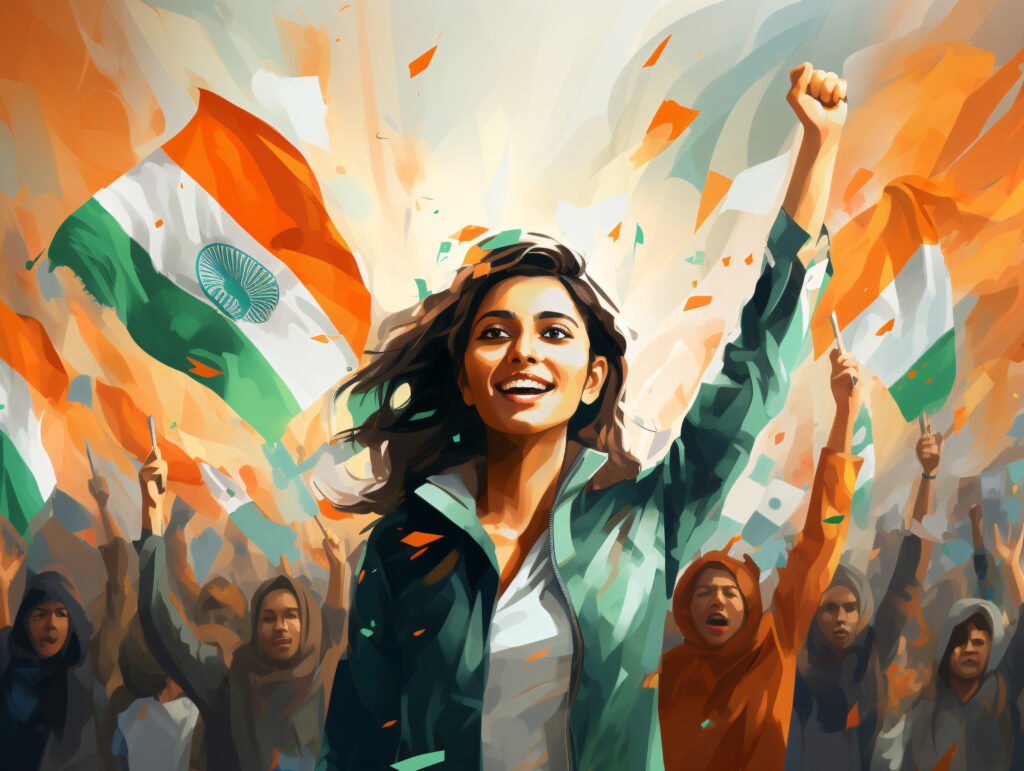
Power and Influence of Student Politics can clearly be seen during election season in Indian universities. Posters cover the walls, slogans echo through hallways, and students actively debate ideas and support candidates. Student politics in India is no longer just a campus activity. It has become an important platform for leadership, representation, and political awareness among young people.
The Historical Roots of Student Politics in India
Student politics in India has a long history. University students played an important role during the freedom struggle. They also joined protests against corruption and social injustice.
Young people often question authority and demand change. Universities encourage debate and critical thinking. Because of this, political activity continues to grow on Indian campuses.
Why Student Politics in India Is Rising
Today, student politics is more organized than before. Groups such as ABVP and NSUI actively participate in campus elections. These organizations are connected to larger political ideologies and national parties.
Many Indian politicians started their careers in student unions. Campus elections often become training grounds for future leaders.
According to the Election Commission of India, democratic participation helps strengthen political awareness and civic responsibility.
The Power and Influence of Student Politics can clearly be seen in how students engage with social issues and campus decisions.
Student Politics in India and Leadership Development
One major advantage of student politics in India is leadership development. Students learn many practical skills, including:
- Public speaking
- Teamwork
- Negotiation
- Campaign management
- Crisis handling
- Strategic thinking
These skills are useful beyond politics. They help students in careers, business, and social work.
Student politics also encourages students to understand real-world problems. It gives young people a chance to take responsibility and participate in decision-making.
Representation and the Influence of Student Politics
Indian universities are highly diverse. Students come from different regions, cultures, and economic backgrounds. Student politics gives these groups a voice.
Student unions often raise issues such as:
- Fee structures
- Campus safety
- Academic reforms
- Hostel facilities
- Mental health support
- Better infrastructure
Without student representation, many of these problems may be ignored.
The University Grants Commission (UGC) also focuses on student welfare and representation in higher education.
The Negative Side of Student Politics
Despite its benefits, student politics in India also has serious problems. One major issue is the influence of outside political parties. National political conflicts sometimes enter university campuses.
As a result, student issues may become less important than political agendas. This can create division and tension among students.
Violence during elections is another concern. In some universities, clashes and protests disturb academic activities. Fear and intimidation also discourage many students from participating.
Performative Politics and Empty Promises
Another problem is performative politics. Some student leaders focus more on popularity than real change. They make large promises and dramatic speeches but fail to deliver practical results.
This creates disappointment among students who expect genuine solutions.
Technology and the Future of Student Politics in India
Technology is changing student politics in India. Social media allows faster communication and wider participation. Online campaigns and virtual debates are now common on many campuses.
However, technology also creates new challenges. Fake news, misinformation, and online arguments can increase political polarization.
Students must learn to use digital platforms responsibly.
The Ministry of Education, India continues to promote digital awareness and responsible student participation.
The Future Power and Influence of Student Politics
The future of student politics in India depends on students, universities, and political organizations. If managed properly, student politics can produce responsible leaders and improve campus life.
However, if violence and political interference continue, campuses may become more divided and less focused on education.
Universities should promote fair elections, respectful debates, and issue-based campaigns. This can help create a healthier political environment for students.
Conclusion
The rise of student politics in India shows that young people want to participate, lead, and create change. Student politics can become a strong platform for leadership and democratic participation.
At the same time, it can also create division if used irresponsibly.
Ultimately, the Power and Influence of Student Politics depends on how students choose to use it. Responsible leadership can turn campus politics into a positive force for the future.
The connection between leadership and governance can also be understood through From Chanakya to Modern India: Is Ancient Statecraft Still Relevant?.